
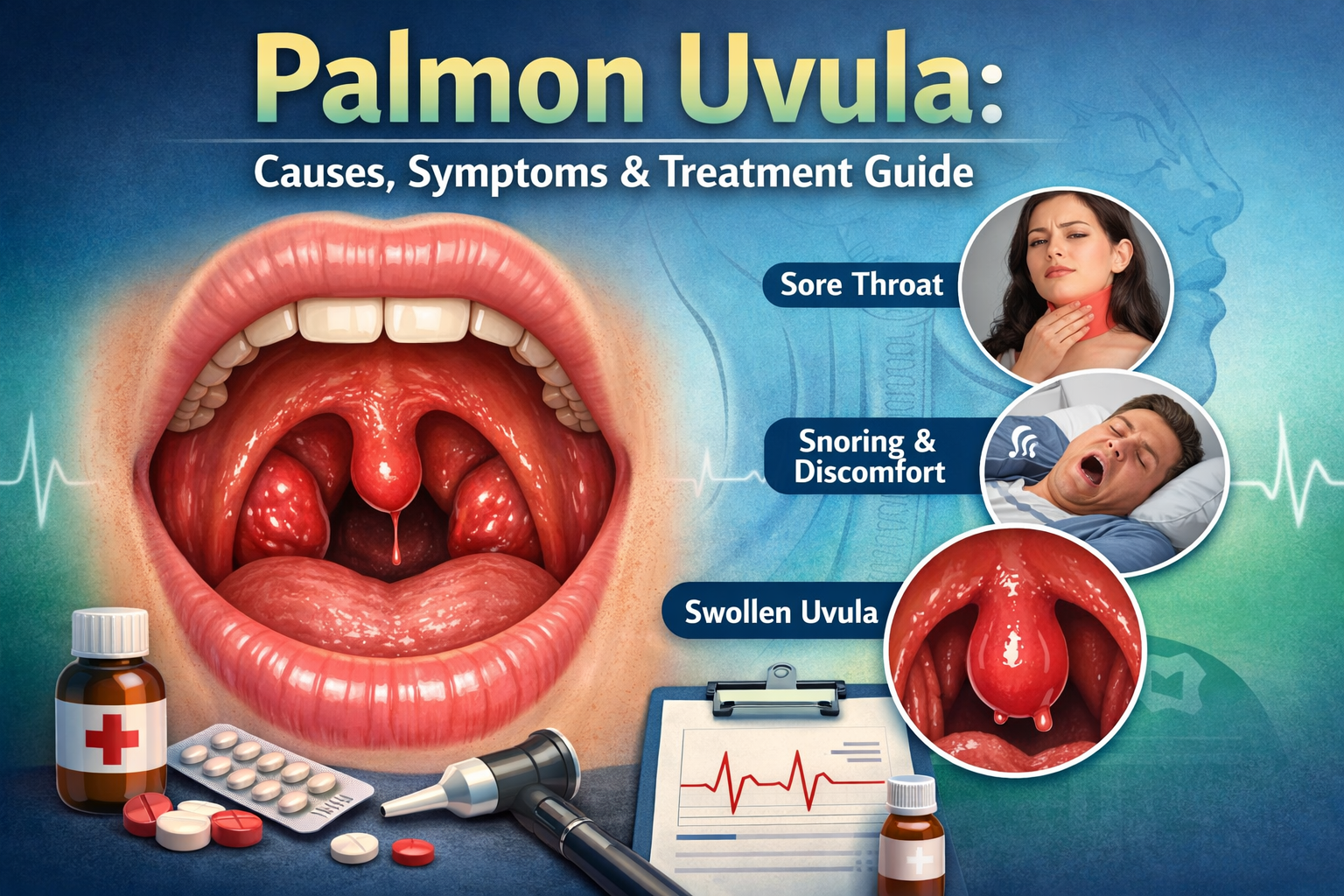
Palmon Uvula! Conditions of the uvula, the small tissue that extends at the base of your throat, are commonly referred to as palmon uvula. Although the expression is rarely appearing in medical manuals, it relates to uvula-prompted medical conditions, most astonishingly with swelling. Understanding the uvula’s role and its conditions can help spot symptoms early on and inform proper treatment.
In this article, we will be discussing uvulitis, which is the inflammation of the uvula and providing an in-depth review on its causes, symptoms and treatments.
What Is the Uvula?
The uvula is a soft, teardrop-shaped structure that hangs from the soft palate at the back of the throat. Although this appendage is quite small, the uvula serves a few important functions:
- Speech: It influences the flow of air through the mouth and nose, ultimately impacting pronunciation.
- Swallowing: It keeps food and fluids from going into the nasal cavity.
- Gag Reflex : It activates a reflex to keep you from choking
These functions mean that swelling or irritation of the uvula can cause discomfort and impact swallowing and speech.
What Is Uvulitis?
Uvulitis is inflammation of your uvula, the fleshy, teardrop-shaped bit of tissue at the back of your throat. When the uvula becomes inflamed, it may be red and painful as well as larger than normal. The swelling may be mild and impermanent or severe enough to prevent breathing in rare circumstances.
Uvulitis frequently happens along with throat infections or allergic reactions and can be caused by dehydration, irritation or trauma. Most cases are manageable; understanding the underlying cause is key to appropriate treatment.
Causes of Palmon Uvula
Uvula inflammation can have several causes:
1. Infections
Infections from bacteria and viruses are common causes. These include:
- Strep throat
- Tonsillitis
- Viral throat infections
Throat infections often migrate to the uvula, inflaming and irritating that structure as well.
2. Allergic Reactions
Uvular swelling may be caused by food, medication or environmental allergens. Allergic reactions can develop quickly and in severe cases, need immediate medical assistance.
3. Dehydration
Dehydration can dry out the tissues in your throat, making the uvula more susceptible to irritation and swelling.
4. Snoring or Sleep Apnea
Chronic snoring or obstructive sleep apnea can lead to repeated vibration and irritation of the uvula during sleep, resulting in an inflammatory response.
5. Irritants and Lifestyle Factors
The uvula may swell due to throat irritation from smoking, alcohol, spicy foods or hot drinks.
6. Trauma
Temporary inflammation of the uvula can occur as a result of accidentally injuring it with sharp foods, medical procedures or vigorous coughing.
Symptoms of Palmon Uvula
There are a number of signs that could indicate that your uvula is inflamed, and those include:
- Enlargement and inflammation of the uvula
- Sore throat
- Difficulty swallowing
- Gagging or choking sensation
- Dry throat or irritation
- Contents1 Lump in the throat2 Feeling of a lump in the throat3 Other causes4 Neck lumps5 Diagnosis6 Treatment7 Home remedies8 When to see a doctor9 Outlook
Severe cases may result in labored breathing, drooling too much or high temperature, needing medical attention right away.
Diagnosing Palmon Uvula
Conditions of the uvula are typically diagnosed with a physical examination. They check for swelling, redness and signs of infection. Additional tests may include:
- Throat swabs to discover bacterial infections
- Allergy testing to identify triggers
- If an underlying condition is suspected, blood tests may be done.
An accurate diagnosis is critical for a treatment plan to be effective.
Treatment Options
The approach to treatment depends on the cause and degree of inflammation.
Home Remedies
Mild cases can typically be treated at home:
- Keep hydrated and drink lots of liquids
- Rinse with warm saltwater to soothe irritation
- Soothe discomfort with throat lozenges
- Get sufficient rest
Medications
For infections or allergies, doctors may write:
- Antibiotics for bacterial infections
- Antihistamines for allergic reactions
- Anti-inflammatory drugs to reduce swelling
Medical Care
In rare instances, if the swelling occludes the airway, emergency treatment is required.” Doctors might use stronger medications or simply watch breathing until the swelling resolves.
Prevention Tips
Although not all cases are preventable, certain habits can lower your risk of uvula inflammation:
- Stay hydrated
- Stay away from smoking and irritants
- Maintain good oral hygiene
- Treat throat infections promptly
- Manage allergies with proper medication
These steps help keep the throat healthy and reduce irritation.
When to Seek Medical Attention
Mild uvulitis often clears up on its own in a few days, but seek immediate medical attention if:
- Swelling affects breathing
- Severe pain or high fever develops
- Symptoms last longer than a few days
Early intervention keeps complications at bay and facilitates a quicker recovery.
FAQs
Q1. What is palmon uvula?
A: It usually has to do with conditions that impact the uvula, in particular swelling or inflammation.
Q2. What causes uvulitis?
A: Causes are often infections, allergies, dehydration, irritants, snoring or trauma.
Q3. Is uvulitis dangerous?
A: Most cases are mild, but serious swelling can block breathing and needs immediate attention.
Q4. How long does uvulitis last?
A: Mild cases typically resolve within days with appropriate care.
Q5. Can home remedies be used to treat uvulitis?
A: Yes, mild cases improve with hydration, saltwater gargles, throat lozenges and rest. Persistent or severe symptoms require medical evaluation.
Conclusion
Palmon uvula, refers to the conditions affecting the uvula especially inflammation called as uvulitis. Because the uvula is important for swallowing, speech and airway protection, swelling is never something to be ignored. Learning about the causes, symptoms and treatment options enables people to identify problems early and take appropriate action for relief. While most cases are mild and respond to home care or medication, more serious cases need medical treatment to stay safe.